About the Seller
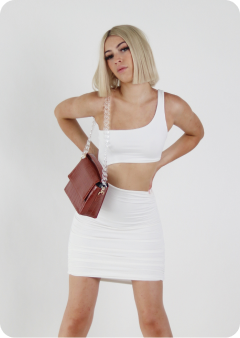
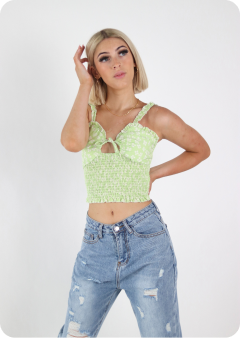
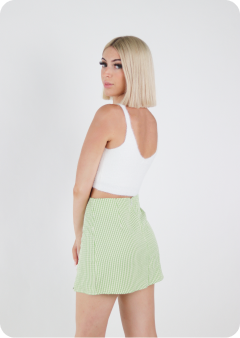
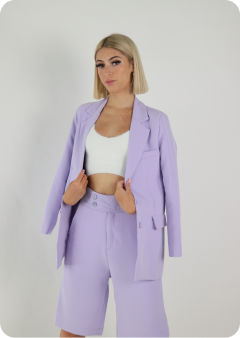
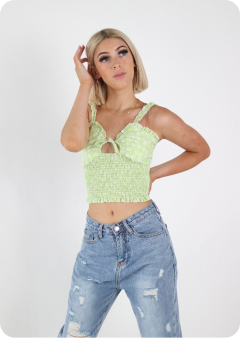
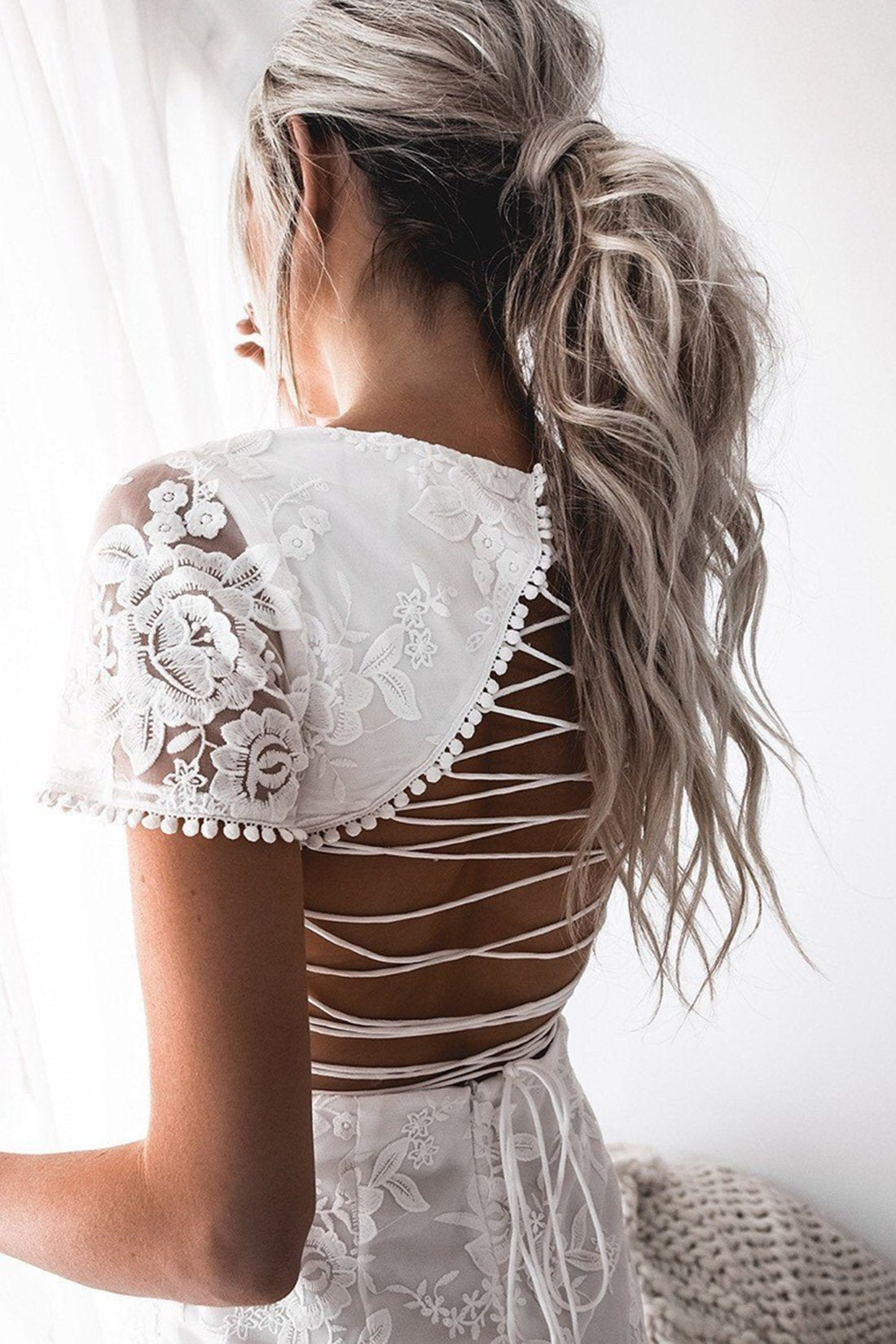
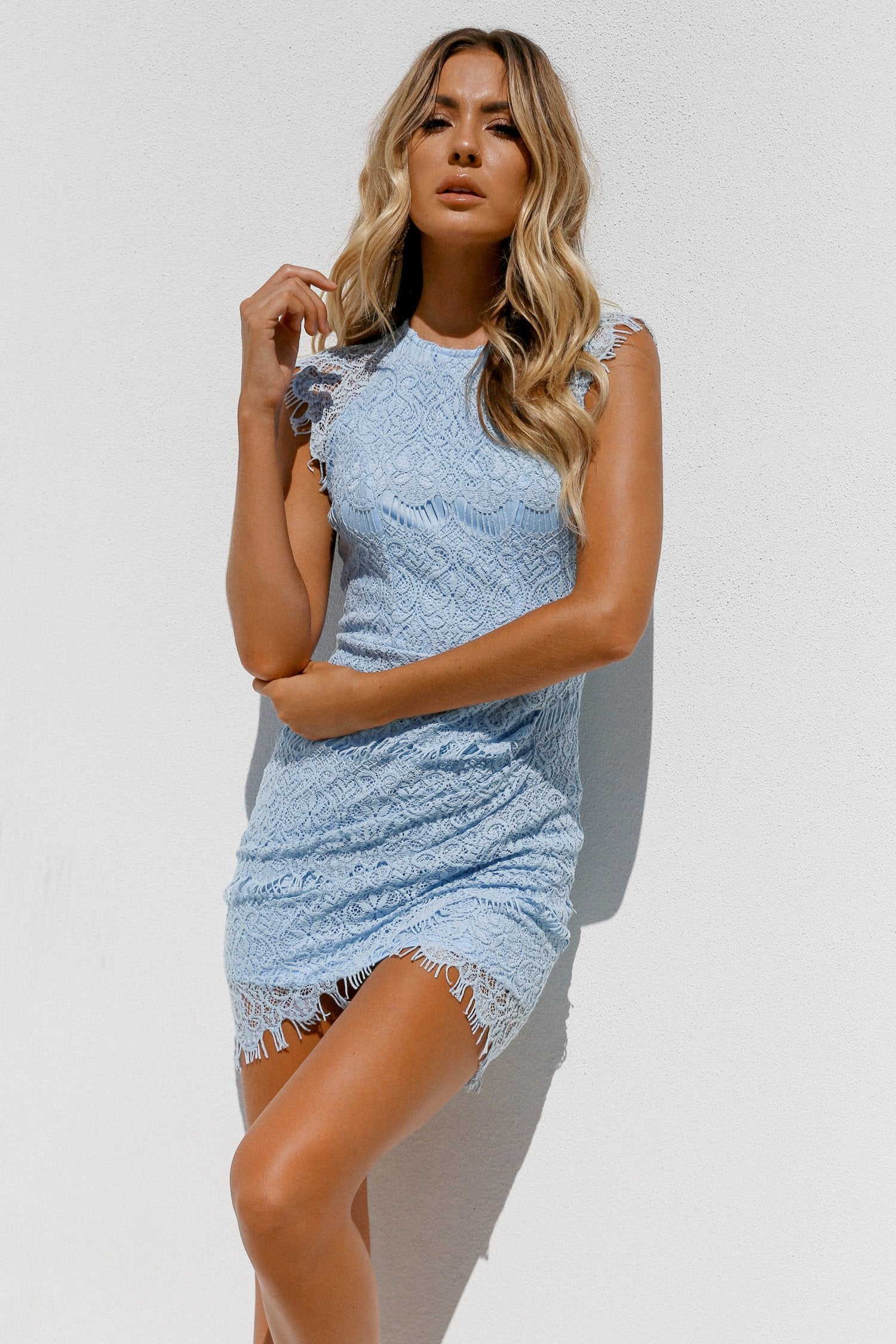
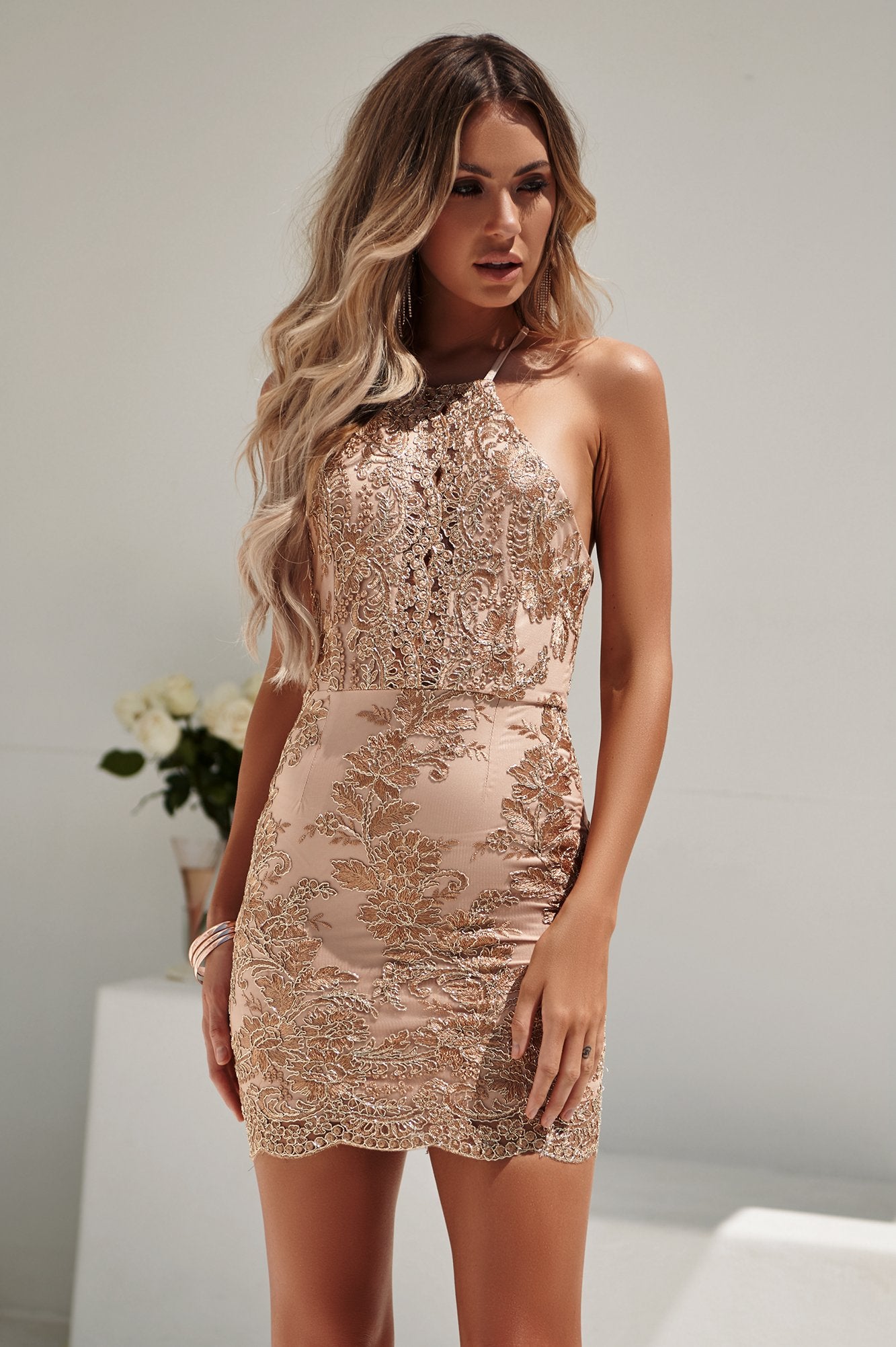
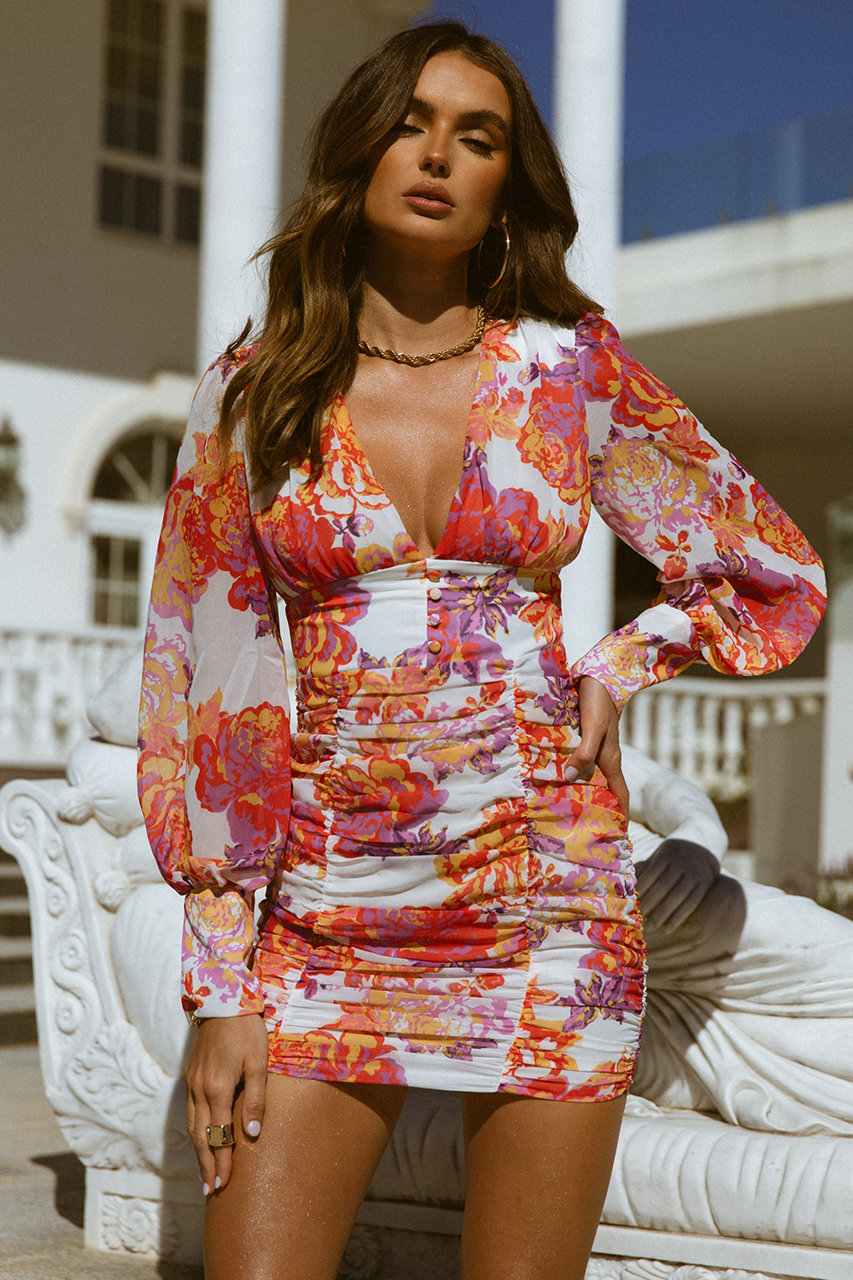
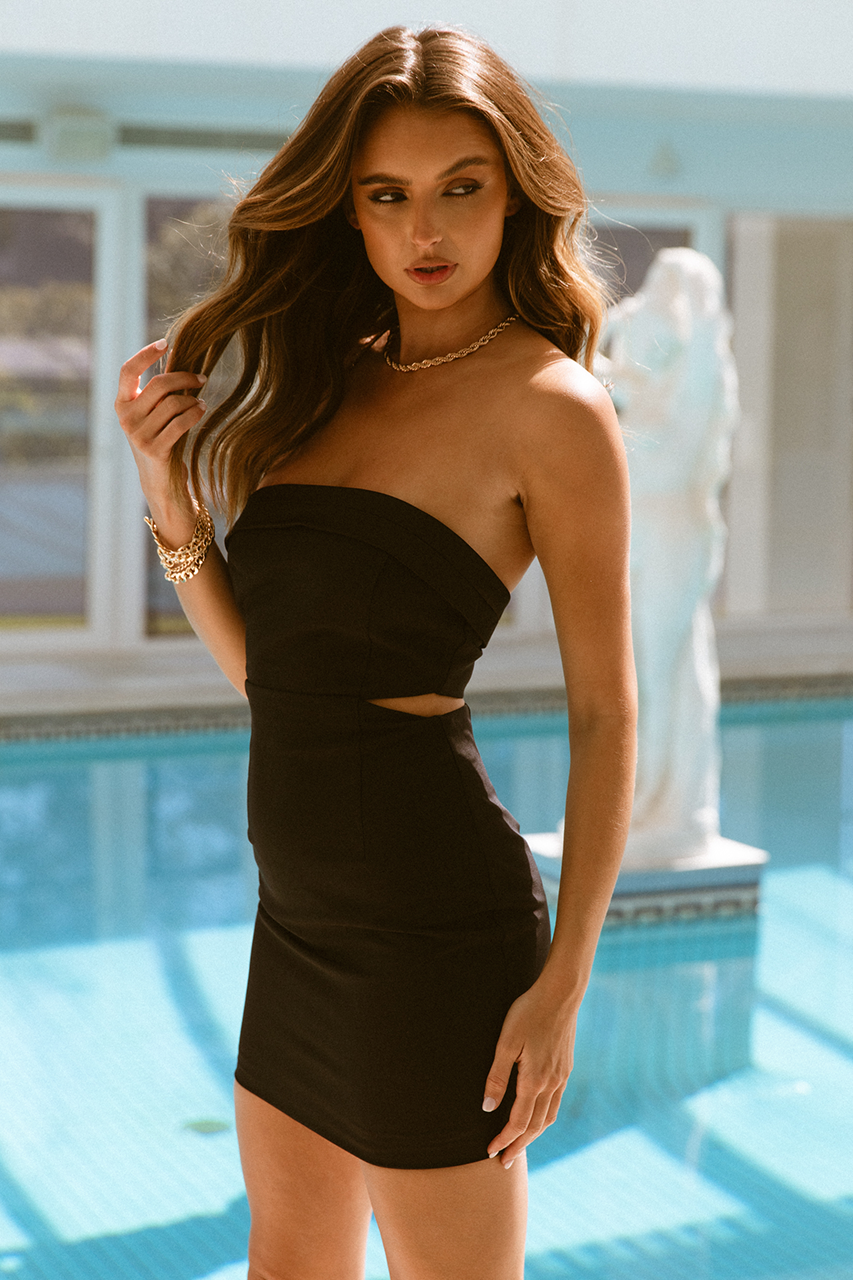
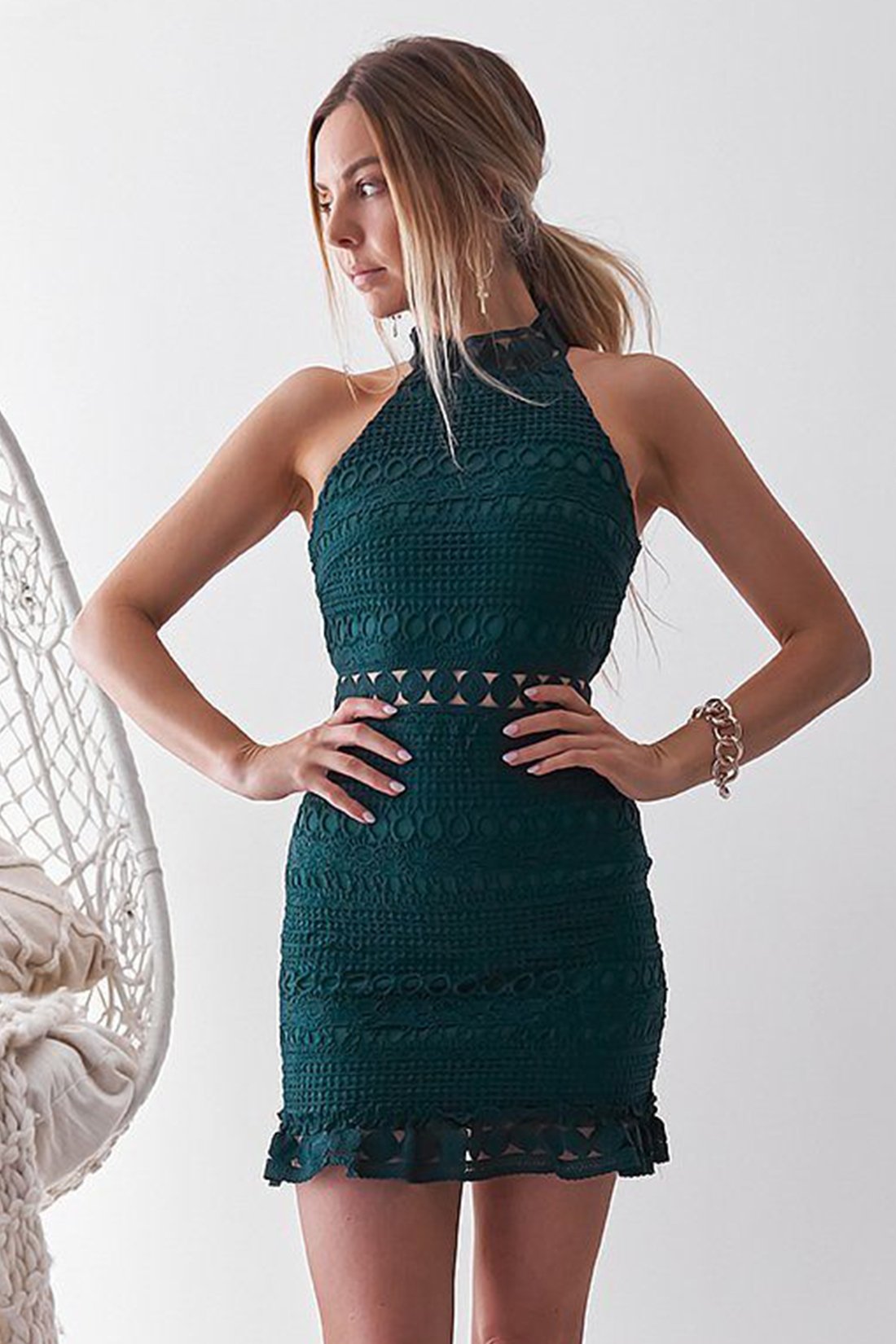
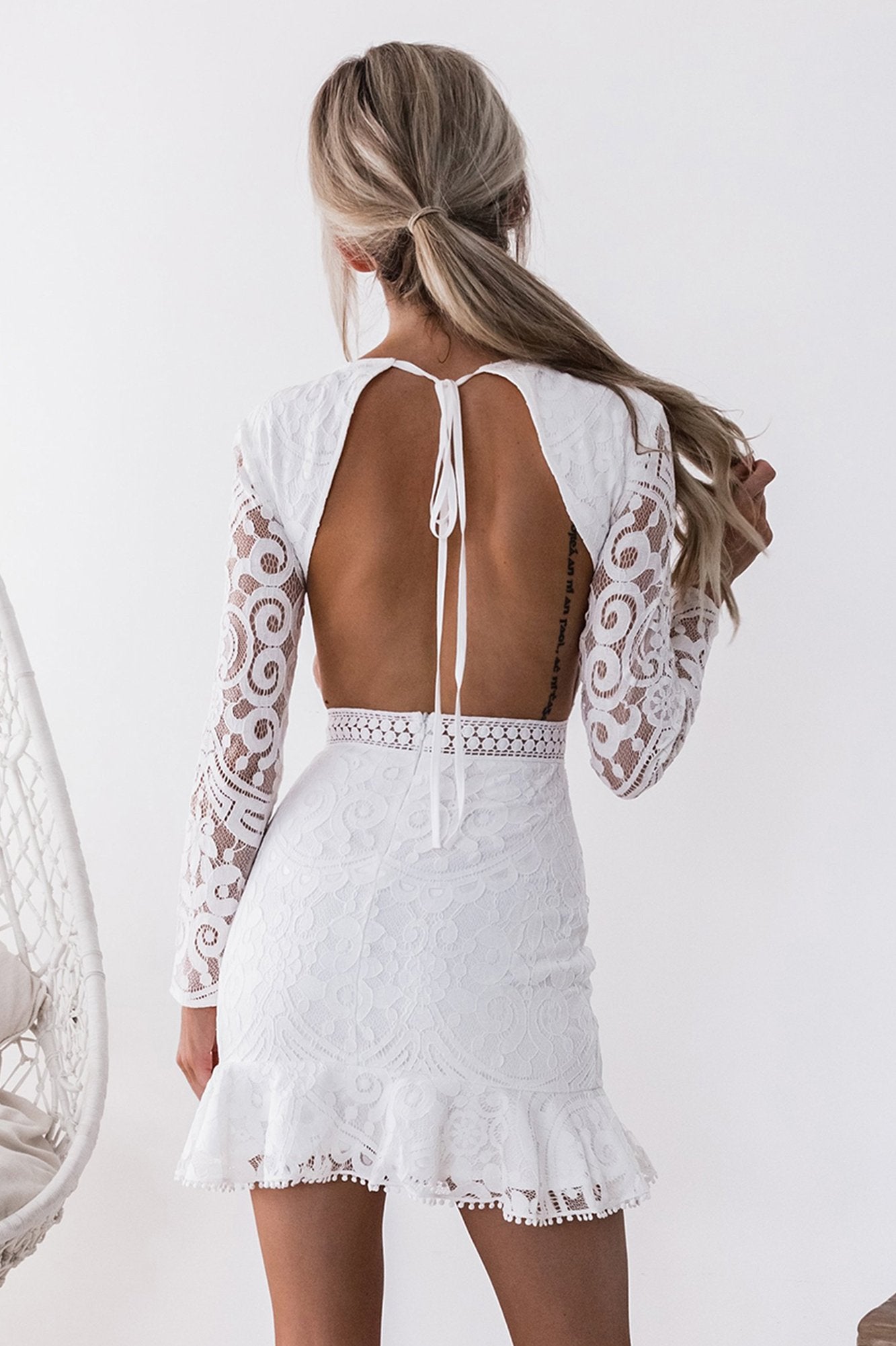
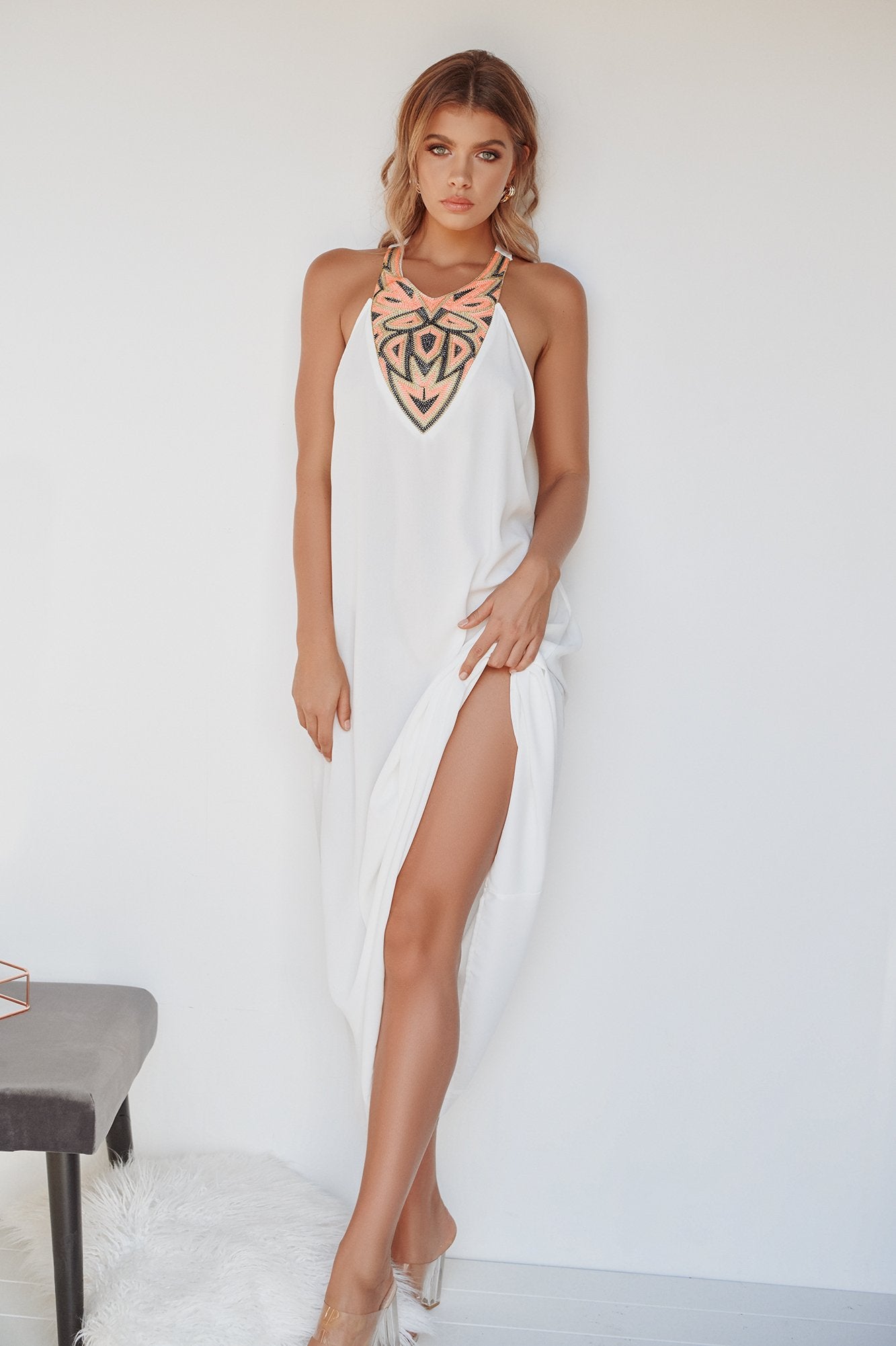
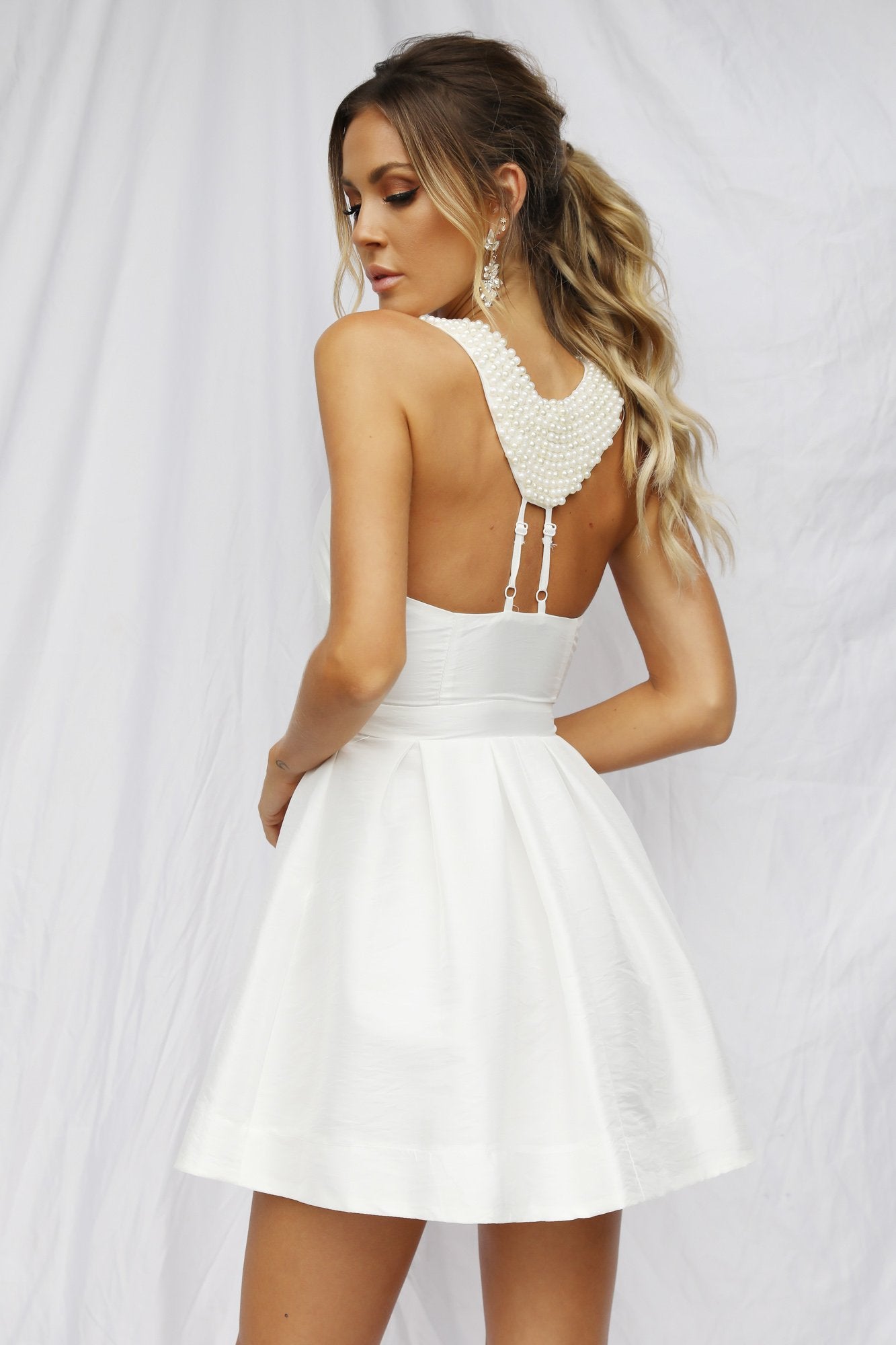
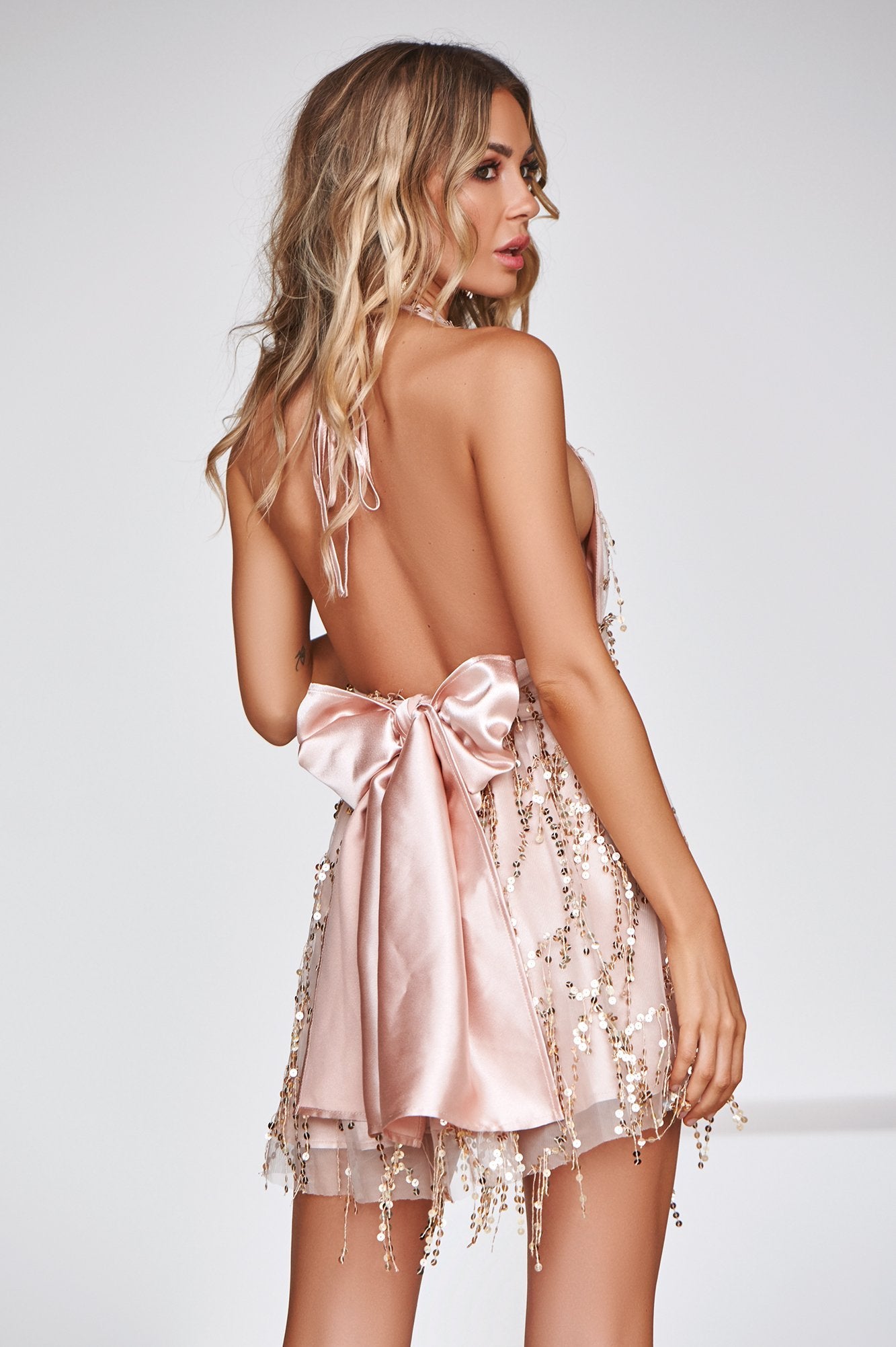
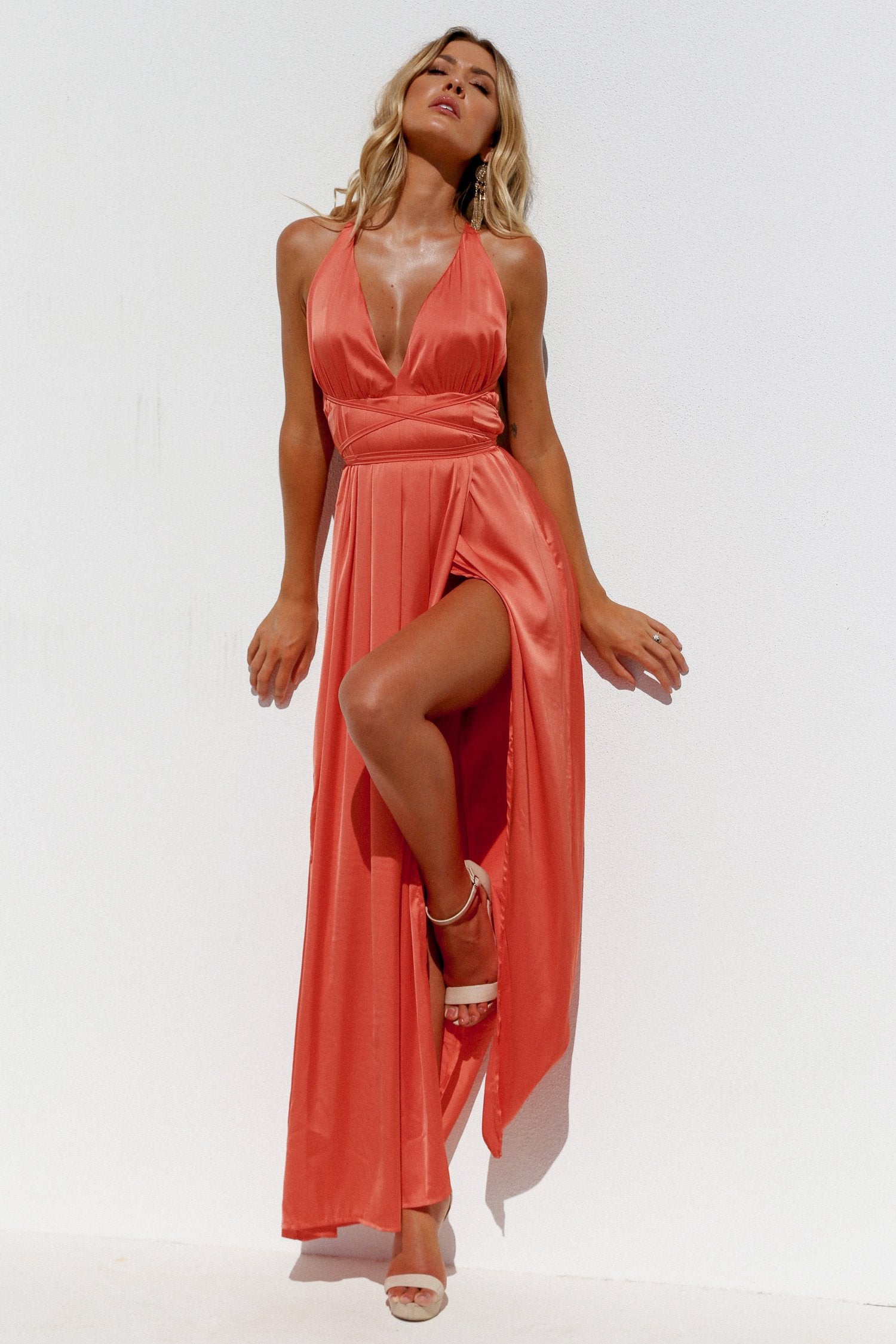
Solid colors, renaissance style, and bold clothing make up the Berít New York collection! From hooded capes, to lace up tops, hip skirts, and denim skirts, every piece is unique and made with quality and detail!
What's your inspiration for this collection?
The designs I am currently selling are from my S/S 2011 collection titled “Retro-Futurism” and my A/W 2011 collection titled “Fairy Warriors” With my Retro Futurism collection I felt like I had to challenge myself with using a lighter color pallet than I’m used to. My inspiration for this collection was 1950s sci-fi. I ended up watching a bunch of 50s sci-fi movies and researching a lot of vintage comic book cover art while designing the collection, so you can hopefully see that influence throughout. With my autumn-winter collection, I wanted a more dramatic approach that really showed off my strengths as a designer. I took my main inspiration from the TV series Legend of the Seeker, I think it’s safe to say that costume design in both film and television will always be important to me as a designer.
Education/Experience:
It started with learning crafts with my family and re-making the clothes on Barbie dolls when I was a little girl. I actually started sewing when I was twelve, and then began to get into modeling at age thirteen. At seventeen, I debuted my first collection in Atlanta, and from there I was able to get into the Fashion Institute of Technology. I graduated in 2007 with a degree in Fashion Design. Before starting Berít New York, I worked in the garment district at various jobs where I learned more about the business of fashion as well as production. The past several years with Berít New York have also been quite their own learning experience on top of all that.
What drove you to choose fashion design and specifically starting your own line?
Fashion is the only industry I know and I do not think I could work in any other field. I owe a lot of credit to the late Alexander McQueen as well. I have followed his career since the late 90s, and because of him I realized that I could actually pursue fashion as an art form. I got bored with most fashion and figured if you want to change something do it yourself. I like to be a trendsetter not a trend follower.
What has prepared you to enter the world as a fashion designer?
My initial experience as a teen working around Atlanta helped get me started. The education at FIT also obviously helped a lot. Over the years, I’ve come to know where and who to go to in the NYC garment district, too, and that’s been vital. I’ve also worked freelance as a fashion show producer, and this has given me insight to how fashion productions are run, and through a lot of those events I’ve built up a good contact list.
What has been your biggest struggle breaking into the world as an independent fashion designer?
By far it has been creating unique, high-end clothing with a price point that won’t turn buyers away. As an indie designer, buyers don’t want to take on huge risks with you, which makes it all the more difficult to actually get your name out there, not to mention sustain yourself and your business from season to season. Making quality garments while not already having an established name brand feels like an uphill battle sometimes.
Favorite fashion decade:
My favorite fashion time period would be the Victorian era (1837-1901) but my favorite fashion decade would be the 1950s.
What fad would you bring back?
I would bring back the high-waisted pants from the 1950s. I think it really accentuates a woman’s hips and gives a clean smooth line.
What do you wish people understood about being in the fashion industry?
I would emphasize to people that it is not all glamour and fun, and that all the glitz and glory we associate with fashion is generally reserved for a few who have “made it,” and even then it’s still a small part of the picture. It takes a lot of hard work, sacrifice and business savvy in order to even survive in fashion – not to mention obstinate dedication.
What is some advice that you would give to aspiring designers?
Find your market, research and study as much as you can, work hard, be positive and be patient. It takes a lot of time, money and effort in order to succeed but if you have talent and a vision then people will start to recognize it. I would also suggest studying at a creditable fashion school before starting out as a designer, too. You can really learn a lot and meet a lot of people who are doing something similar.
What is your favorite part about being a fashion designer?
My favorite part is by far the creative process: finding inspiration, imagining new ways to bring designs to life, putting together the materials until you have a full outfit, and then the best of all is seeing your work come down the runway. That joy of getting to see something that was in my head become a real product – that’s what keeps me doing this.